Who Can Benefit from Gait Analysis?
Gait analysis is beneficial for a wide range of individuals, including:
- Athletes: Optimize running form, prevent injuries, and enhance performance.
- Individuals with Chronic Pain: Identify and address gait abnormalities contributing to pain, such as back, hip, or knee pain.
- Post-Injury Patients: Assess and correct gait changes that have occurred due to injury, ensuring proper recovery and reducing the risk of re-injury.
- Elderly Individuals: Improve balance and stability to prevent falls and enhance mobility.
- Children: Address developmental or neuromuscular conditions that affect gait, such as cerebral palsy or toe-walking.
- Anyone Seeking Better Movement: Whether you’re experiencing discomfort, looking to improve posture, or simply want to move more efficiently, gait analysis can provide valuable insights.

The Gait Analysis Process
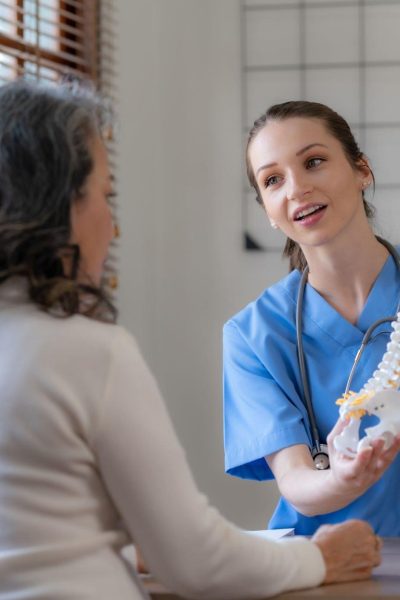
At The Chapel Physical Medicine & Rehabilitation, our gait analysis process is thorough and personalized to your needs. It typically involves the following steps:
- Initial Consultation: We begin with a discussion about your concerns, goals, and medical history. Understanding your background helps us tailor the analysis to your specific needs.
- Physical Examination: A detailed assessment of your joints, muscles, and posture to identify any physical factors contributing to abnormal gait patterns.
- Video Gait Analysis: Using advanced video technology, we capture your walking or running patterns from multiple angles. This allows us to observe the movement of each joint and muscle in real-time and slow motion.
- Biomechanical Assessment: Analysis of the forces acting on your body during movement, such as the pressure on your feet and the alignment of your joints. This can help identify issues like overpronation, supination, or uneven leg length.
- Custom Treatment Plan: Based on the findings from your gait analysis, we develop a personalized treatment plan. This may include exercises to strengthen specific muscles, improve flexibility, or correct posture. We may also recommend orthotics or other assistive devices if necessary.
- Follow-Up and Monitoring: To ensure progress, we provide ongoing support and re-assessments as needed. Adjustments to your treatment plan are made based on your improvements and evolving needs.