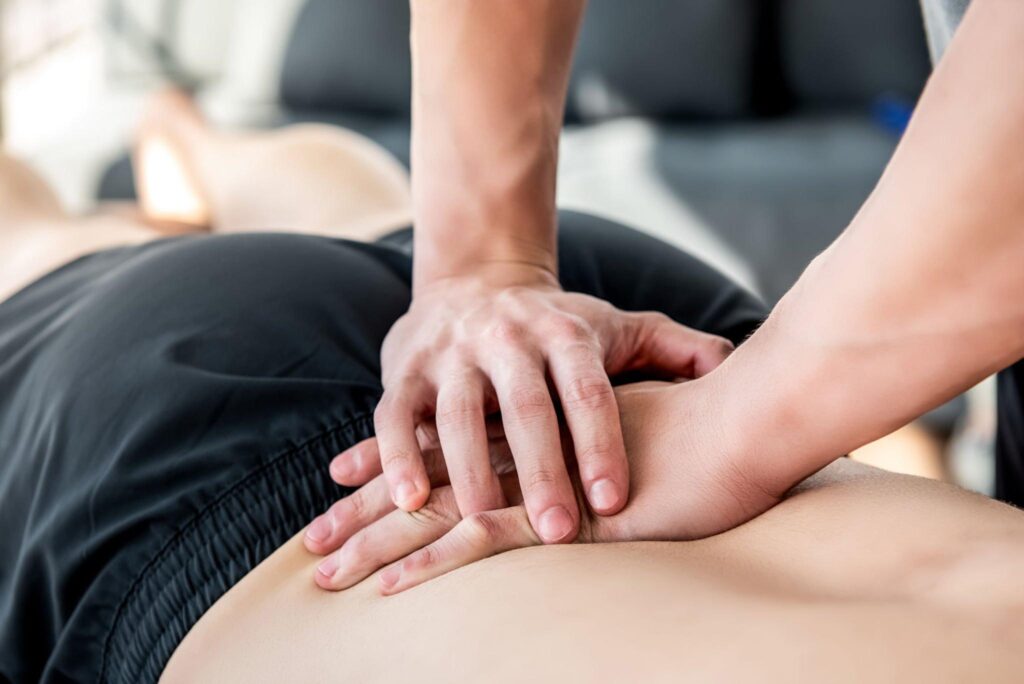
Common Challenges After a Spinal Cord Injury
Individuals with spinal cord injuries may face a range of challenges, including:
- Paralysis: Partial or complete loss of movement and sensation below the level of injury.
- Spasticity: Muscle stiffness and involuntary spasms that limit mobility.
- Respiratory Issues: Difficulty breathing, coughing, and clearing mucus.
- Bladder and Bowel Dysfunction: Challenges with control and management.
- Pain: Chronic pain resulting from nerve damage or muscle issues.
- Pressure Sores: Skin damage due to prolonged immobility.

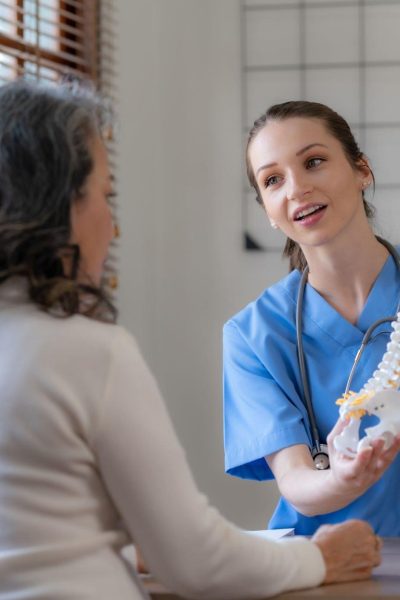
Our Approach to Spinal Cord Injury Rehabilitation
At The Chapel Physical Medicine & Rehabilitation, we offer a multidisciplinary approach to spinal cord injury rehabilitation. Our team of physiotherapists, occupational therapists, and other specialists work together to create a personalized treatment plan tailored to your specific needs. Our program includes:
- Initial Assessment: A comprehensive evaluation of your physical condition, functional abilities, and personal goals.
- Movement and Mobility Training: Exercises to improve strength, flexibility, and coordination, with a focus on enhancing mobility and independence.
- Functional Electrical Stimulation (FES): Techniques to activate paralyzed muscles using electrical impulses, helping to improve strength and function.
- Respiratory Therapy: Support for breathing, coughing, and managing respiratory complications.
- Spasticity Management: Strategies to reduce muscle stiffness and improve movement.
- Bladder and Bowel Training: Guidance on managing bladder and bowel function effectively.
- Pain Management: Techniques to alleviate pain through manual therapy, medications, and other interventions.
- Psychological Support: Counseling and support to help you cope with the emotional impact of a spinal cord injury.