The Role of Physiotherapy in Parkinson’s Disease
Physiotherapy is a key component in the management of Parkinson’s disease. It helps individuals maintain physical function, improve mobility, and reduce the risk of complications such as falls. Our approach to Parkinson’s physiotherapy is holistic, addressing the physical, emotional, and cognitive aspects of the disease.
Common Symptoms of Parkinson’s Disease
Parkinson’s disease can manifest in various ways, and symptoms often progress over time. Some common symptoms include:
- Tremors: Involuntary shaking or trembling, often starting in the hands or fingers.
- Bradykinesia: Slowness of movement, making simple tasks difficult and time-consuming.
- Rigidity: Stiffness in the muscles, which can limit movement and cause discomfort.
- Postural Instability: Difficulty maintaining balance, leading to a higher risk of falls.
- Gait Changes: Shuffling walk, reduced arm swing, and difficulty starting or stopping movement.
- Non-Motor Symptoms: Fatigue, depression, anxiety, and cognitive changes.

Our Approach to Parkinson’s Physiotherapy
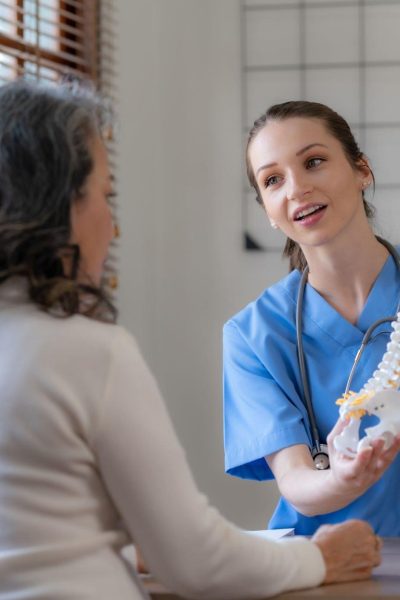
At The Chapel Physical Medicine & Rehabilitation, our Parkinson’s physiotherapy program is tailored to meet your individual needs and goals. Our comprehensive approach includes:
- Initial Assessment: A detailed evaluation of your physical abilities, symptoms, and personal goals. This helps us create a personalized treatment plan.
- Movement and Mobility Training: Exercises designed to improve strength, flexibility, and coordination, with a focus on enhancing walking patterns and reducing the risk of falls.
- Balance and Stability Exercises: Techniques to improve balance, posture, and overall stability, helping you move more confidently.
- Gait Training: Specific exercises to address gait abnormalities and improve walking efficiency, including strategies for overcoming freezing episodes.
- Functional Exercise Programs: Tailored exercises to improve your ability to perform daily activities, enhancing your independence.
- Speech and Swallowing Therapy: For those experiencing difficulties in communication or swallowing, we collaborate with speech therapists to address these challenges.
- Pain Management: Techniques to relieve pain and discomfort caused by muscle stiffness or joint issues.
- Education and Support: Information on managing symptoms, coping strategies, and advice for caregivers to ensure the best possible care at home.